Postpartum Strength Training
⚕️ Heather is an ISSA Certified Personal Trainer, not a physician or medical professional. This content is for educational purposes only and is not intended to diagnose, treat, or replace medical advice. Please consult your doctor before making changes to your exercise or health routine — especially if you have an existing health condition.
Postpartum strength training can help many women gradually rebuild strength, stability, and confidence after pregnancy.
But honestly, returning to exercise after having a baby often feels very different than people expect. Your body has been through a major physical experience. Recovery takes time. Energy levels change. Sleep changes. And sometimes even simple movements feel unfamiliar at first.
- Core recovery
- Pelvic floor recovery
- Strength rebuilding
- Energy management
- Consistency over perfection
And of course, always follow your doctor’s guidance regarding postpartum recovery and returning to exercise.
A quick note before we go further: I am a certified personal trainer, not a doctor. The guidance below reflects general patterns many women experience — it is not a substitute for your own postpartum medical clearance, which typically happens around the 6-week checkup but can vary based on your delivery and recovery.

Why Postpartum Strength Training Matters
Pregnancy and childbirth place major demands on the body. For many women, postpartum recovery includes rebuilding:
- core stability
- glute strength
- posture
- overall strength
- movement confidence
If you have not read it yet, start here: Safe Strength Training During Pregnancy.
Start Slowly After Pregnancy
One of the biggest mistakes women make after pregnancy is trying to jump back into workouts too aggressively — often driven by pressure to “get their body back” quickly.
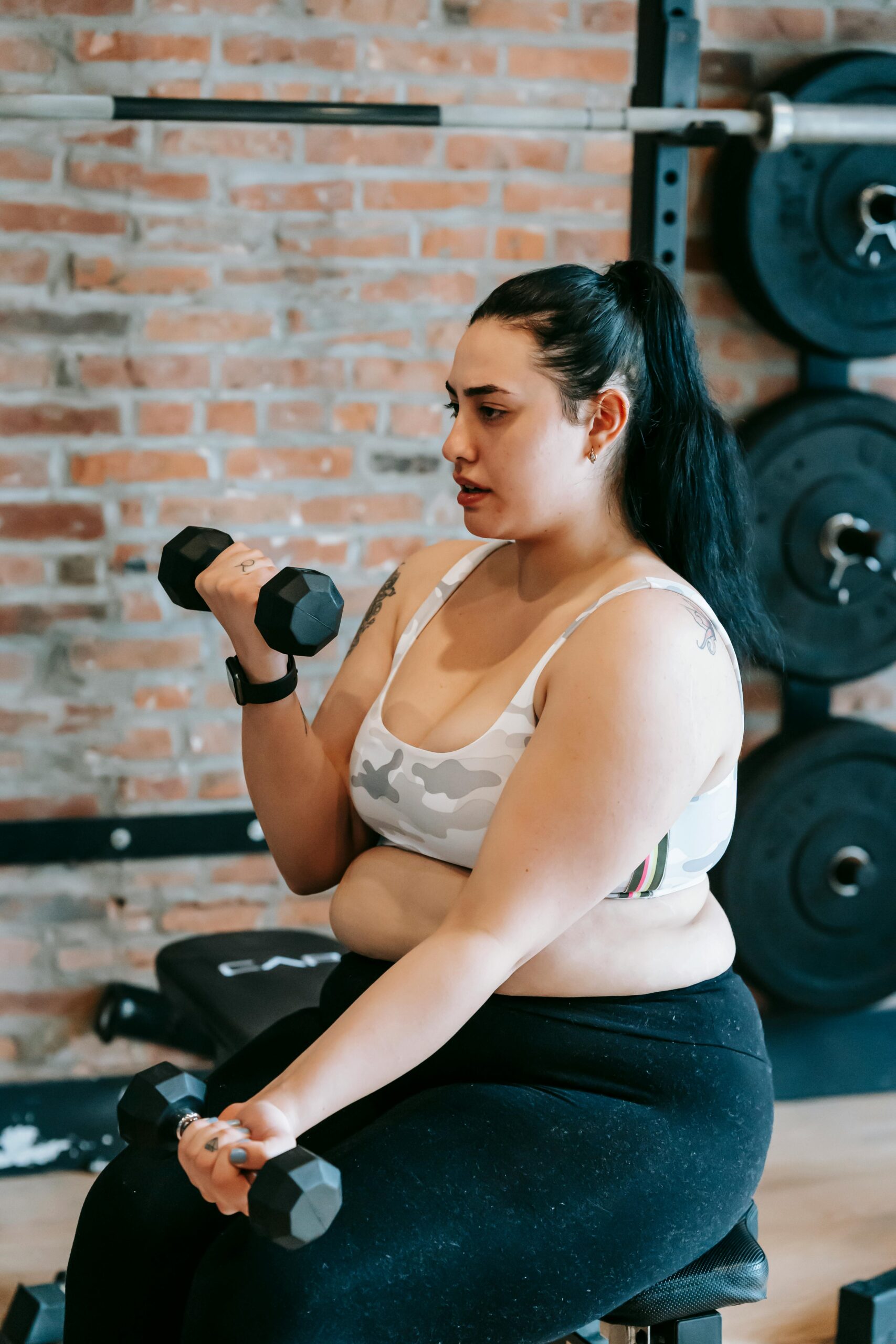
Postpartum strength training usually works best when it starts slowly and progresses gradually, once your provider has given clearance:
- Walking
- Breathing exercises
- Light strength work
- Core stability movements
- Gentle mobility work
And honestly, consistency matters much more than intensity early on.
A General Postpartum Progression
Once you have medical clearance to return to exercise, many women find it helpful to think in stages rather than jumping straight back to their pre-pregnancy routine. This is a general pattern, not a fixed timeline — your own pace depends on your delivery, recovery, and how your body feels.
Early Weeks (with provider clearance)
Gentle walking, deep breathing exercises, and pelvic floor awareness work. The focus here is reconnecting with your core and pelvic floor, not building strength yet.
As Strength Returns
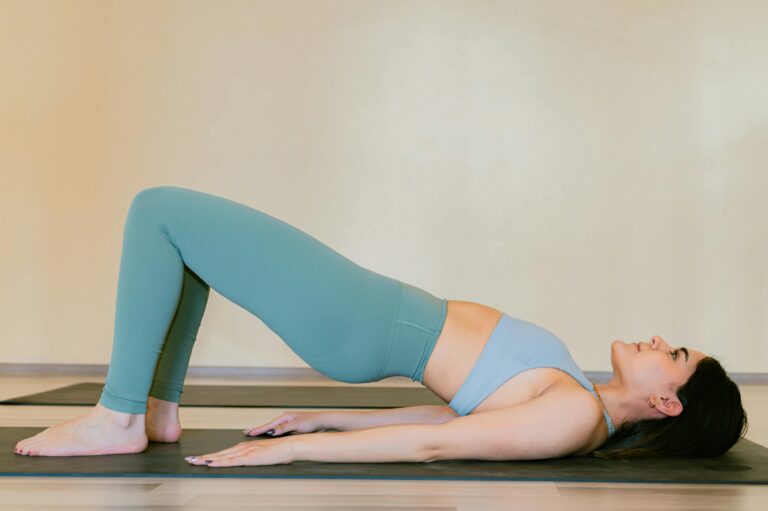
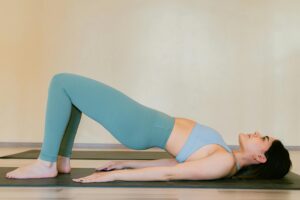
Many women add light bodyweight movements — chair squats, glute bridges, modified planks — done in short sessions of 10-15 minutes. Watch for any coning or doming through the abdomen, which is a sign to scale back and rebuild more foundational core strength first.
Building Back Up
Once core and pelvic floor feel stable, many women gradually reintroduce light dumbbells, longer walks, and a wider range of movements — generally still avoiding high-impact exercise until it feels genuinely ready, not just “allowed.”
For complete beginner exercise instructions to draw from at whatever stage feels right, read How to Start Strength Training at Home — just scale intensity to match where you are in recovery.
Core and Pelvic Floor Recovery Matter
Many women focus only on “getting their body back” after pregnancy. But postpartum recovery should also include rebuilding core stability and pelvic floor function carefully — this is often the part that gets rushed or skipped entirely.
Early Postpartum Priorities
For many women, early postpartum exercise focuses on:
- breathing
- deep core engagement
- controlled movement
- pelvic floor awareness
- gradual progression
If you notice ongoing leaking, pressure, pain, or a visible bulge along your midline, that is worth mentioning to your doctor or a pelvic floor specialist — those symptoms fall outside what a trainer should be addressing on their own.
Sleep, Stress, and Recovery Matter Too
Postpartum fitness is not happening in a vacuum.
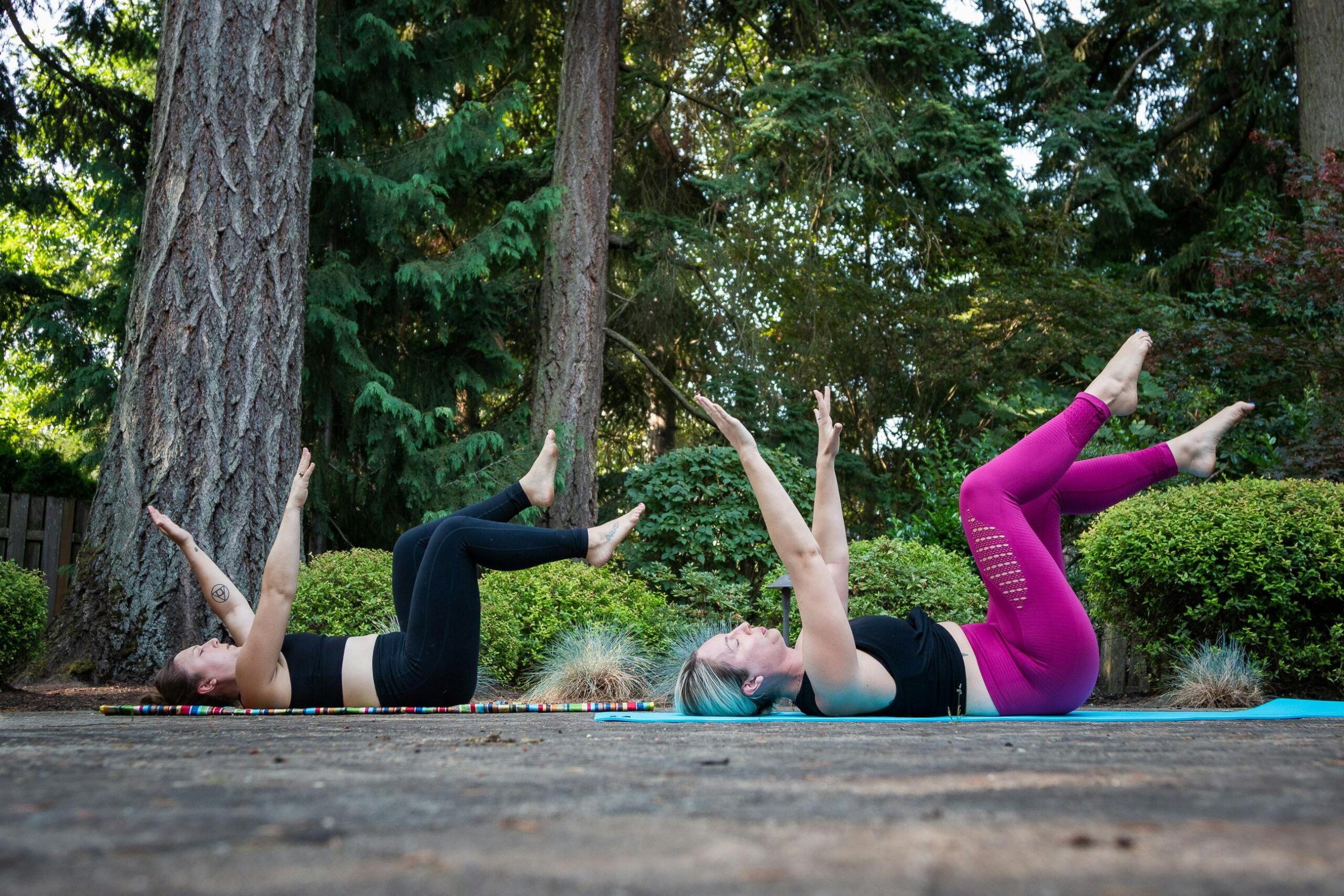
Many new moms are also dealing with:
- sleep deprivation
- stress
- feeding schedules
- recovery demands
- major life adjustments
That is exactly why realistic expectations matter so much during postpartum strength training. A 10-minute session on a hard day is a real win, not a consolation prize.
Walking and Simple Movement Still Count
Many women underestimate how valuable simple movement can be after pregnancy. Walking, stretching, mobility work, and short strength sessions all count.
- Consistency matters.
- Recovery matters.
- Small steps matter.
- Patience matters.
Read: How to Start Strength Training at Home When You Feel Out of Shape
Simple Postpartum Weekly Movement Example
Postpartum strength training does not need to be extreme to be effective. Once cleared by your provider, a realistic week might look something like this:
| Monday Walking + Core Stability | Tuesday Recovery Movement | Wednesday Light Strength Training |
| Thursday Walking or Mobility | Friday Light Full Body Workout | Weekend Rest or Gentle Movement |
Adjust freely based on sleep, energy, and how your body feels that day — this is a guide, not a requirement.
The Bottom Line
Postpartum recovery takes time. And honestly, there is no prize for rushing the process.
Postpartum strength training should focus on rebuilding strength safely, improving stability, and supporting recovery with realistic expectations and gradual progress.
Looking for Realistic Home Workouts?
Inside Strength for Life, I focus on realistic fitness for real women — including modified movement options for different stages of motherhood.
- Simple home workouts
- Strength-focused training
- Beginner-friendly guidance
- Real-life flexibility
Frequently Asked Questions About Postpartum Strength Training
Every woman and every pregnancy is different. Always follow your doctor’s guidance before returning to exercise after pregnancy — many providers give clearance around the 6-week mark, but this varies based on delivery and recovery.
Walking can be an excellent starting point during postpartum recovery and can help support movement, circulation, and a gradual return to exercise. It is often the first activity many providers approve.
Watch for signs like coning or doming through the abdomen, leaking, pelvic pressure or pain, or increased bleeding after exercise. Any of these are reasons to scale back and check in with your provider rather than push forward.
This varies significantly between women. Some feel ready for light strength work within a few weeks of clearance, while others need several months to feel solid in their core and pelvic floor. There is no universal timeline, and comparing your recovery to someone else’s rarely helps.
A certified trainer can offer general coaching support, exercise modifications, and encouragement once your doctor has cleared you for activity. For specific concerns like pelvic floor dysfunction or diastasis recti, a pelvic floor specialist or physical therapist is the right next step alongside your doctor.
Pregnancy Fitness Resources
Continue Your Pregnancy Fitness Journey
 Step 1
 Step 2
 Step 3
 Step 4
Ready to put this into action?
💪 Start Your Free 7-Day Trial
Free Home Workout Starter Guide
Download your free PDF and start building strength today.
- 3 beginner-friendly routines
- No equipment needed
- Just 20 minutes a day
Enter your email to download