Pregnancy Workout Modifications
⚕️ Heather is an ISSA Certified Personal Trainer, not a physician or medical professional. This content is for educational purposes only and is not intended to diagnose, treat, or replace medical advice. Please consult your doctor before making changes to your exercise or health routine — especially if you have an existing health condition.
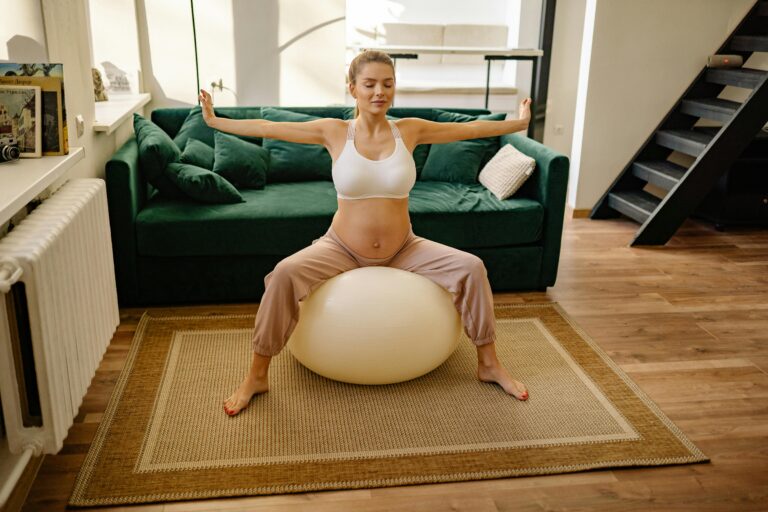
Pregnancy workout modifications can help many women continue exercising safely as their bodies change throughout pregnancy.
And honestly, those changes can happen faster than people expect. Movements that felt easy a few weeks ago may suddenly feel awkward, uncomfortable, or simply not right anymore.
- Balance changes
- Energy changes
- Breathing changes
- Core pressure changes
- Joint stability changes
The goal during pregnancy is not proving how hard you can push yourself. The goal is supporting your body safely while staying active in a realistic and sustainable way.
A quick note before we go further: I am a certified personal trainer, not a doctor. The modifications below reflect common, general approaches many women use — they are not a substitute for guidance from your OB-GYN or midwife, who knows your specific pregnancy.

Why Pregnancy Workout Modifications Matter
Pregnancy changes the body in ways that can affect movement, posture, coordination, and recovery. That does not mean exercise automatically becomes unsafe. However, it often means workouts need to evolve as your body does.
- Some movements may feel less comfortable as your center of gravity shifts.
- Some exercises may create too much pressure on the core or pelvic floor.
- Some activities may simply stop feeling worth it — and that’s a completely valid reason to swap them out.
If you have not read it yet, start here: Safe Strength Training During Pregnancy.
Common Pregnancy Workout Modifications
Pregnancy workout modifications can look different for every woman and every trimester. There is no single right answer — only what feels right for your body with your provider’s approval.
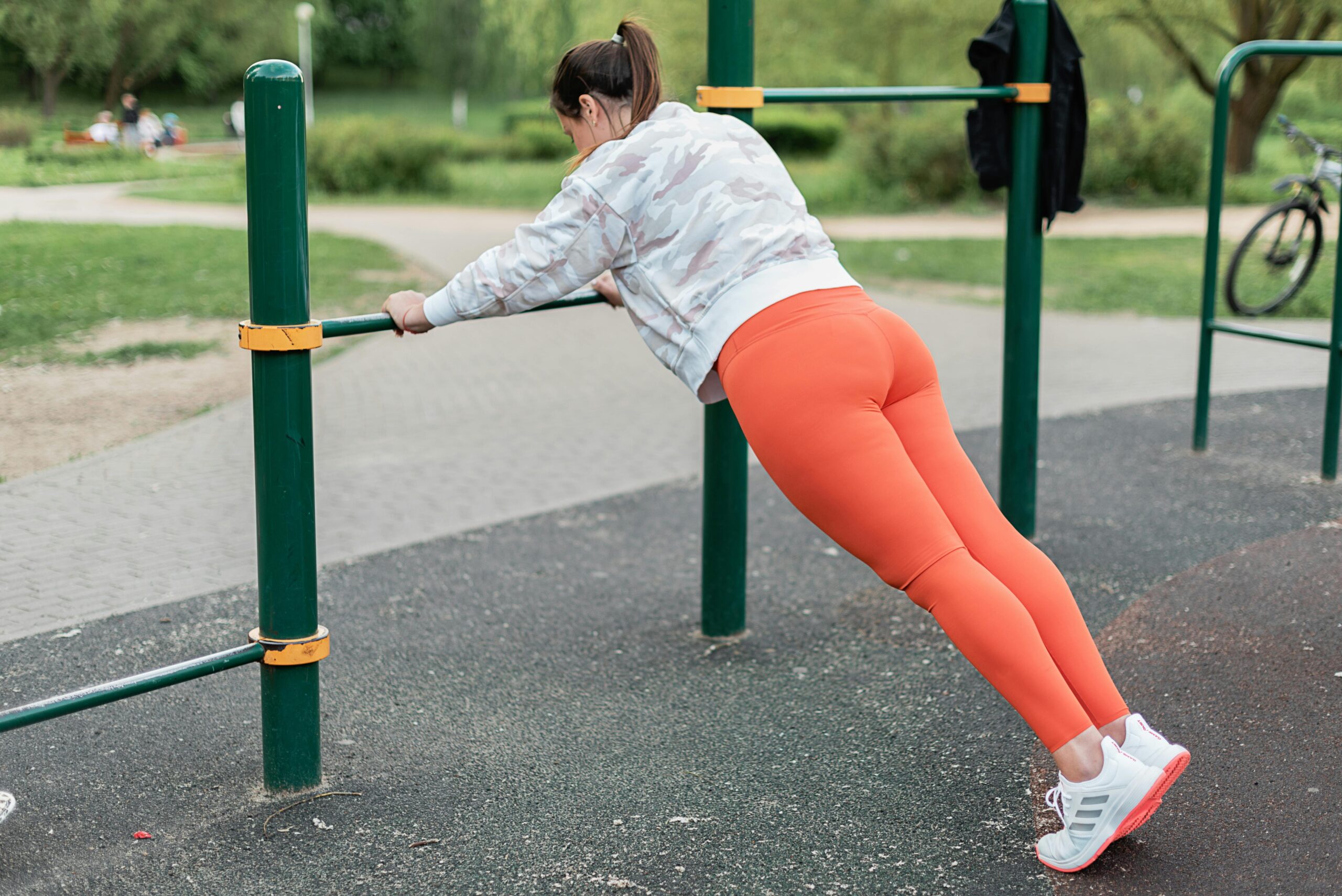
Some of the most common modifications include:
- reducing workout intensity overall
- slowing down movement tempo for better control
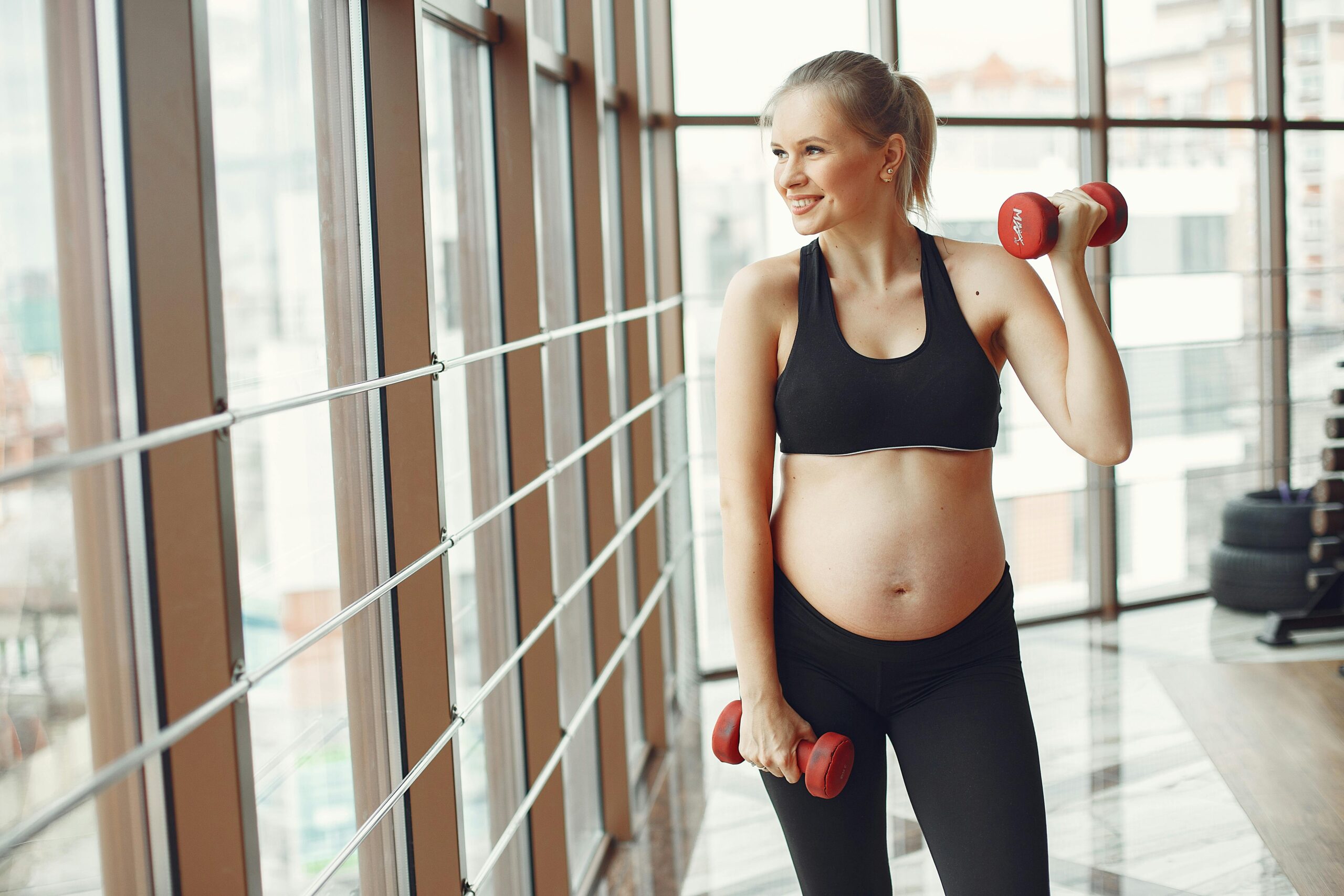
- using lighter weights than you would have used before pregnancy
- adjusting exercise range of motion
- using a wall or chair for balance support
- modifying certain core exercises, especially after the first trimester
Many women also find themselves shifting toward lower-impact exercise options later in pregnancy — and that shift is completely normal, not a sign of falling behind.
How Modifications Often Shift by Trimester
Every pregnancy is different, so this is general awareness, not a fixed rulebook — always follow your provider’s specific guidance. That said, here is how many women find their workouts naturally evolving:
First Trimester
Energy and nausea are often the bigger factors here rather than physical limitation. Many women can continue most of their pre-pregnancy strength routine, just listening closely to fatigue levels and adjusting volume when needed.
Second Trimester
This is often when exercises lying flat on the back start needing modification — many providers recommend switching to a slight incline or side-lying position instead. Balance may also start to shift as the belly grows.
Third Trimester
Many women shift toward more seated, supported, or standing exercises. Core work often becomes more about breathing and gentle stability than traditional crunching movements. Walking and light strength work tend to feel more sustainable than higher-intensity sessions.
For complete how-to instructions on beginner-friendly versions of common strength moves, read How to Start Strength Training at Home — just scale everything down and check it against your provider’s guidance.
Exercises That Often Get Modified During Pregnancy
Every pregnancy is different, so modifications vary from person to person — but some patterns are common enough to be worth knowing about in advance.
Common Areas That May Need Adjustment
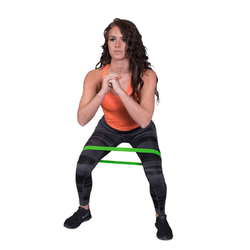
Some women eventually modify or avoid:
- high-impact jumping
- certain ab exercises, especially ones that cause visible coning or doming of the belly
- heavy overhead pressing
- deep twisting movements
- certain exercises lying flat on the back, generally after the first trimester
- high-risk balance exercises as the belly grows
Listening to Your Body Matters
Pregnancy is one of those seasons where paying attention to your body becomes especially important.

That does not mean becoming fearful of movement. It simply means recognizing when your body may need adjustments.
- Some days energy will feel lower — and that’s worth honoring, not pushing through.
- Some movements may feel uncomfortable in ways they didn’t before.
- Recovery may take longer between workouts.
- Balance may feel different, especially in the second and third trimester.
And honestly, that is normal. As your coach, my role is to help you find the modification that lets you keep moving comfortably — not to push you toward a level of intensity that doesn’t feel right for where you are.
Walking and Simple Movement Still Count
A lot of women feel pressure to keep exercising at the same level throughout pregnancy. But sometimes simple movement is exactly what your body needs most.
- Walking counts.
- Stretching counts.
- Mobility work counts.
- Modified workouts count.
Read: Balanced Weekly Workout Plan for Women Over 40
Simple Pregnancy Workout Modification Examples
Many women continue exercising safely during pregnancy by making smart adjustments instead of stopping movement completely. Here are some general examples — always run specific changes by your provider first.
| Instead Of Jump Squats | Try Controlled Bodyweight Squats | Goal Lower Impact |
| Instead Of Full Push-Ups | Try Incline Push-Ups | Goal Better Control |
| Instead Of Heavy Core Exercises | Try Breathing & Stability Work | Goal Reduced Pressure |
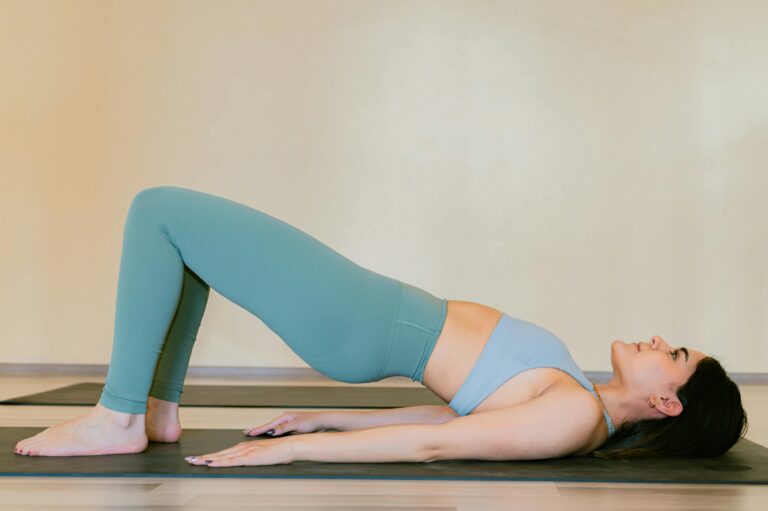
| Instead Of Flat-Back Floor Exercises | Try Seated or Side-Lying Versions | Goal Comfort After First Trimester |
| Instead Of Heavy Overhead Pressing | Try Lighter Weight, Seated Press | Goal Better Balance and Control |
The Bottom Line
Pregnancy workout modifications are incredibly normal. In many cases, they are one of the reasons women are able to continue exercising safely throughout pregnancy.
Pregnancy workout modifications should focus on safety, comfort, control, and supporting your changing body instead of forcing workouts to stay exactly the same.
Looking for Realistic Home Workouts?
Inside Strength for Life, I focus on realistic fitness for real women — including modified movement options for different stages of life.
- Simple home workouts
- Strength-focused training
- Beginner-friendly guidance
- Real-life flexibility
Frequently Asked Questions About Pregnancy Workout Modifications
Yes. Many women modify exercises during pregnancy as their bodies, balance, energy, and comfort levels change. Needing to modify a workout is not a setback — it’s simply part of training through a changing body.
Many women can continue strength training safely during pregnancy with proper modifications and medical guidance. The right approach depends on your individual pregnancy and what your provider approves.
If an exercise causes pain, pressure, dizziness, or visible coning/doming through the abdomen, stop and modify or substitute it. Any exercise that feels noticeably “off” compared to how it used to feel is worth addressing with your healthcare provider.
No. A modified exercise that you can do safely and consistently is far more valuable than an unmodified one you have to stop doing altogether. Consistency through pregnancy matters more than maintaining the exact same intensity.
A certified trainer can offer general coaching support and common modification examples once your doctor has cleared you for activity, but specific medical guidance for your pregnancy should always come from your OB-GYN or midwife first.
Pregnancy Fitness Resources

Continue Your Pregnancy Fitness Journey
 Step 1
 Step 2
 Step 3
 Step 4
Ready to put this into action?
💪 Start Your Free 7-Day Trial
Free Home Workout Starter Guide
Download your free PDF and start building strength today.
- 3 beginner-friendly routines
- No equipment needed
- Just 20 minutes a day
Enter your email to download