Pelvic Floor and Core After Pregnancy
⚕️ Heather is an ISSA Certified Personal Trainer, not a physician or medical professional. This content is for educational purposes only and is not intended to diagnose, treat, or replace medical advice. Please consult your doctor before making changes to your exercise or health routine — especially if you have an existing health condition.
Pelvic floor and core recovery after pregnancy can take time, patience, and realistic expectations.
And honestly, many women are surprised by how different their bodies feel after pregnancy. Your core has supported major physical changes. Your breathing patterns may feel different. Your posture may feel different. And sometimes even basic movements feel unfamiliar for a while.
- Core stability
- Breathing
- Pelvic floor recovery
- Posture
- Gradual rebuilding
And of course, every postpartum recovery is different. Always follow your healthcare provider’s guidance regarding postpartum exercise.
An important note before we go further: I am a certified personal trainer, not a doctor or pelvic floor physical therapist. The pelvic floor is an area where it’s especially important to know the limits of what general coaching can address. If you have any specific symptoms — which I’ll cover below — a pelvic floor specialist is the right person to see, not a trainer.

Why Core Recovery Matters After Pregnancy
Pregnancy places major demands on the abdominal wall, pelvic floor, posture, and breathing system.
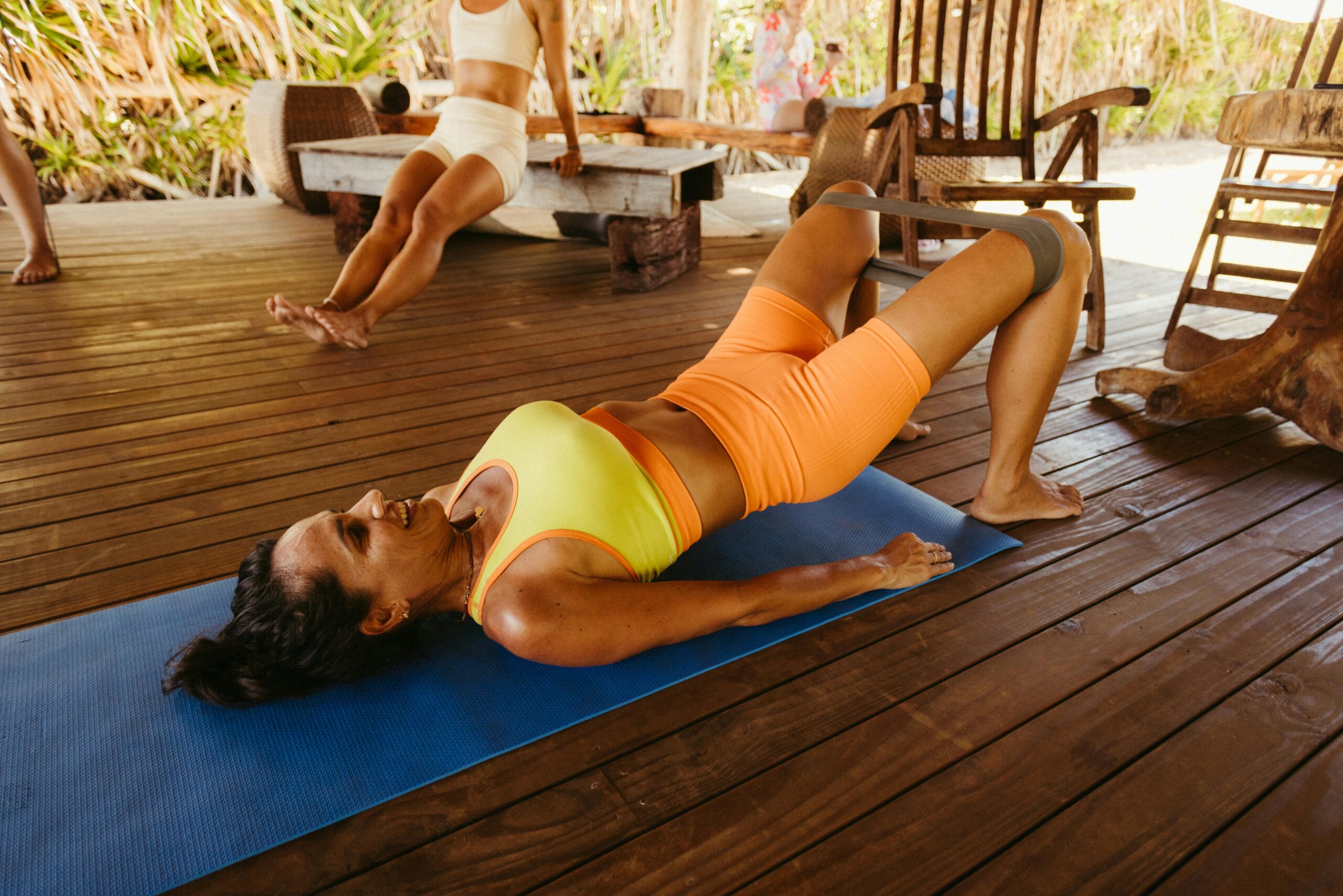
That is one reason many women benefit from slowing down and rebuilding core stability gradually after pregnancy, rather than jumping straight back into pre-pregnancy ab routines.
- Breathing coordination
- Core stability
- Pelvic floor awareness
- Movement control
- Postural support
If you have not read it yet, start here: Postpartum Strength Training.
Signs to See a Pelvic Floor Specialist
Before anything else, it’s worth knowing what symptoms mean a specialist — not general exercise — is the right next step. These are common enough after pregnancy that many women don’t realize they’re treatable rather than something to just live with:
- Leaking urine when you cough, sneeze, laugh, or exercise
- A feeling of heaviness or pressure in the pelvic area
- Visible doming or coning along the midline of your abdomen during movement
- Pain during intercourse
- Lower back or hip pain that doesn’t resolve with general movement
- A persistent gap or separation you can feel in your abdominal muscles (diastasis recti)
If none of these apply to you, the general recovery guidance below is a great place to start once you have your provider’s clearance.
Breathing and Core Engagement Matter
Many women immediately jump into crunches or intense ab workouts after pregnancy. But often, postpartum recovery starts with learning how to reconnect breathing, core engagement, and pelvic floor function — before adding load or intensity.
A Simple Starting Practice
Once cleared by your provider, many women begin with diaphragmatic breathing: lying on your back with knees bent, breathe in slowly through your nose letting your belly expand, then exhale slowly while gently drawing your belly button toward your spine. This reconnects breath with core engagement before adding any exercise on top of it.
A starting point: 5-10 slow breaths, 1-2 times daily, for the first couple of weeks once cleared. There’s no need to rush past this stage — it’s genuinely foundational, not a warm-up to skip.
- Breathing exercises
- Gentle core activation
- Pelvic floor awareness
- Controlled movement
And honestly, rebuilding stability slowly is often much more effective long term than rushing into aggressive workouts.
Start Slowly and Rebuild Gradually
Postpartum recovery is not linear.
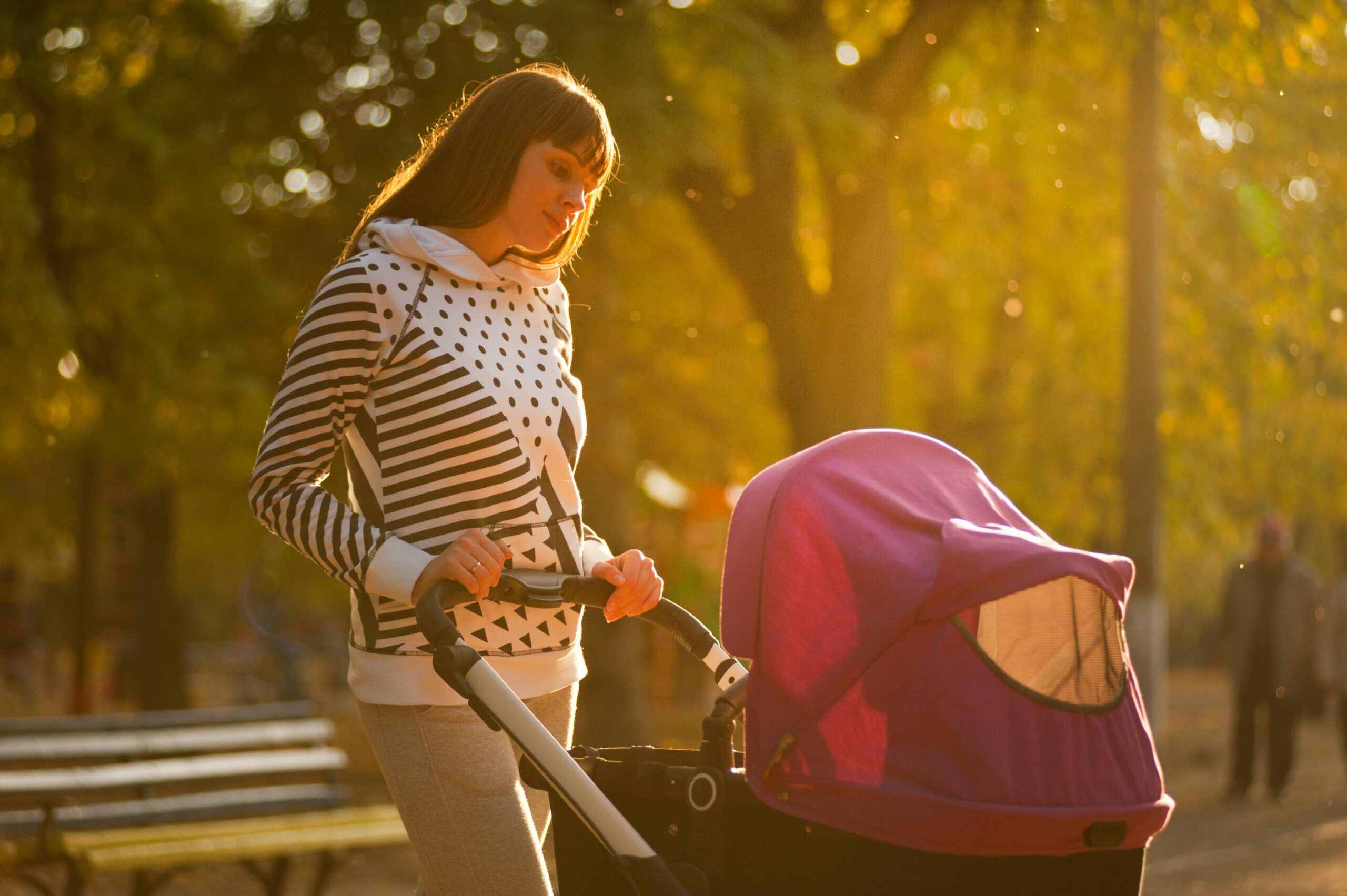
Some days you may feel stronger. Other days you may feel exhausted. That is normal.
A General Progression Once Cleared
Many women find it helpful to think in layers rather than a strict timeline:
- Foundation: Breathing work and gentle pelvic floor awareness — no exercise required yet.
- Reconnection: Add walking and very gentle core activation, like pelvic tilts or seated marches.
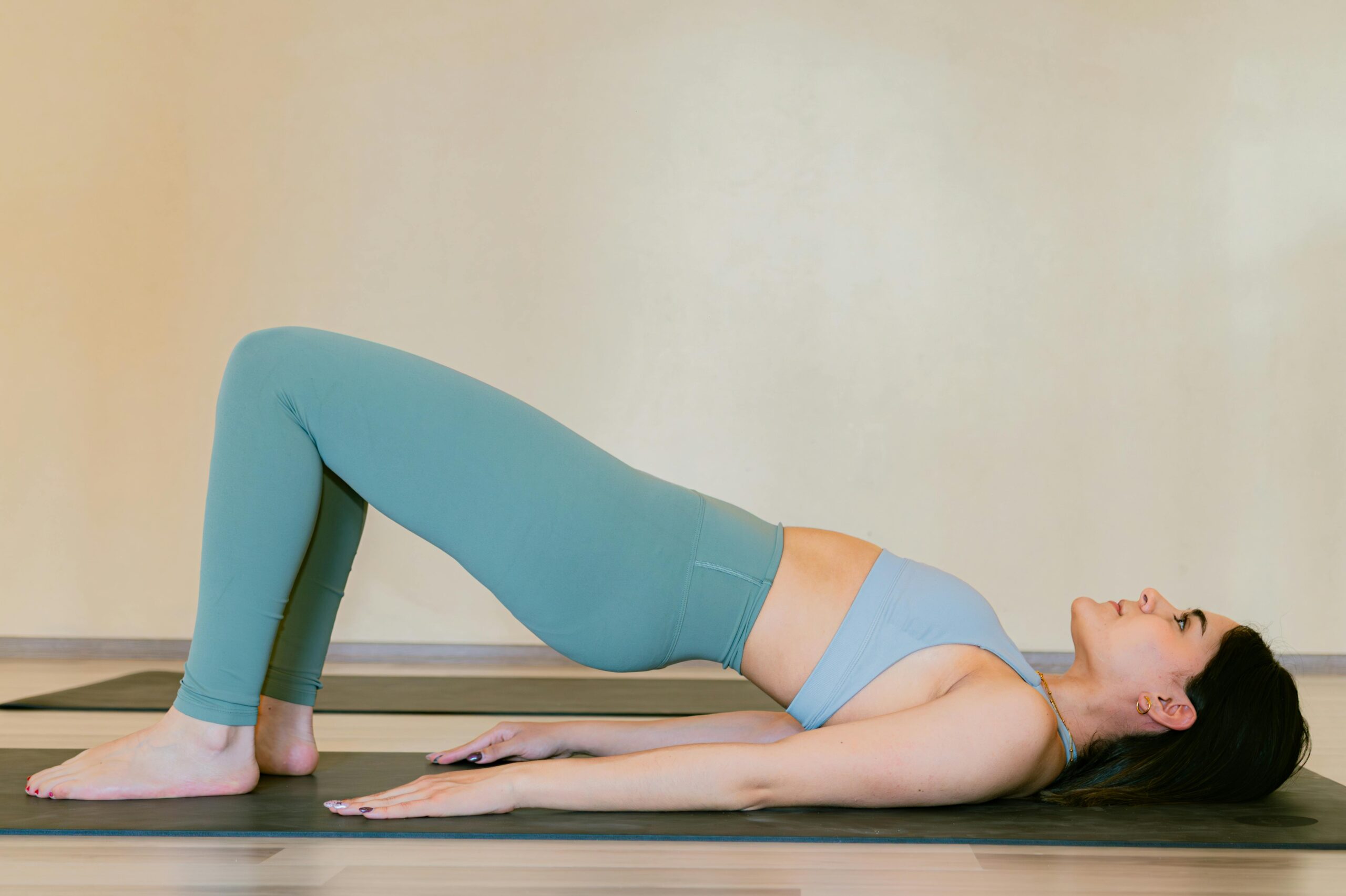
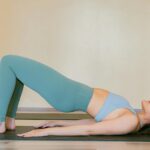
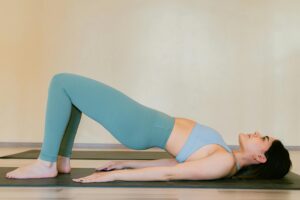
- Rebuilding: Introduce light bodyweight movements — modified planks, bird dogs, glute bridges — watching closely for any doming or pressure.
- Returning: Gradually add back light dumbbells and a broader range of movement once the core feels genuinely stable, not just “okay for now.”
Walking and Everyday Movement Still Count
Many women underestimate how valuable simple movement can be during postpartum recovery. Walking, posture awareness, breathing exercises, and gentle movement all matter.
- Consistency matters.
- Recovery matters.
- Patience matters.
- Gradual progress matters.
Read: How to Start Strength Training at Home When You Feel Out of Shape
Simple Postpartum Recovery Focus Areas
| Focus Area Breathing | Goal Core Coordination | Approach Controlled Breathing Work |
| Focus Area Walking | Goal Gentle Movement | Approach Short Consistent Walks |
| Focus Area Core Activation | Goal Pelvic Floor Reconnection | Approach Pelvic Tilts, Gentle Bridges |
| Focus Area Strength Training | Goal Gradual Rebuilding | Approach Light Controlled Exercises |
The Bottom Line
Pelvic floor and core recovery after pregnancy takes time. And honestly, rebuilding slowly is often the smarter long-term approach.
Pelvic floor and core recovery after pregnancy should focus on breathing, stability, posture, gradual rebuilding, and realistic expectations during postpartum recovery.
Looking for Realistic Home Workouts?
Inside Strength for Life, I focus on realistic fitness for real women — including beginner-friendly movement options for postpartum recovery.
- Simple home workouts
- Strength-focused training
- Real-life flexibility
- Beginner-friendly guidance
Frequently Asked Questions About Pelvic Floor and Core After Pregnancy
Every woman’s recovery is different. Postpartum core recovery often takes time, consistency, and gradual progression — anywhere from a few weeks to several months depending on the individual.
Walking can be an excellent low-impact movement option during postpartum recovery and may help support circulation, mobility, and consistency once your provider has cleared you for activity.
Diastasis recti is a separation of the abdominal muscles along the midline that commonly occurs during pregnancy. Some separation is normal and often improves with time and appropriate core rehabilitation. A pelvic floor physical therapist can assess the severity and guide an appropriate recovery plan if it persists.
If you experience leaking, pelvic pressure or heaviness, pain during intercourse, visible doming in your abdomen, or a persistent abdominal gap, a pelvic floor specialist is the appropriate next step — these symptoms go beyond what general exercise coaching can address.
A trainer can offer general guidance on gentle movement, breathing, and gradual strength rebuilding once you’re medically cleared. But for specific pelvic floor symptoms or diagnosed conditions like diastasis recti, a pelvic floor physical therapist is trained to assess and treat those issues directly — that level of care goes beyond a trainer’s scope.
Pregnancy Fitness Resources

Continue Your Pregnancy Fitness Journey
 Step 1
 Step 2
 Step 3
 Step 4
Ready to put this into action?
💪 Start Your Free 7-Day Trial
Free Home Workout Starter Guide
Download your free PDF and start building strength today.
- 3 beginner-friendly routines
- No equipment needed
- Just 20 minutes a day
Enter your email to download