Pushing Limits: Why Working Hard Matters in Fitness
📋 Heather is an ISSA Certified Personal Trainer, not a doctor or medical professional. This article is for educational and motivational purposes only. Always check with your healthcare provider before starting a new fitness program.
Let’s be honest for a second.
Working out is not always easy.
Some days you feel motivated. Some days you feel tired, stressed, overwhelmed, or just plain not in the mood. That’s normal.
But one of the biggest things I’ve learned over the years is this:
That does NOT mean every workout needs to leave you exhausted or miserable.
It does mean growth usually requires effort.
Whether your goal is:
- getting stronger
- having more energy
- losing weight
- building confidence
- or simply feeling healthier
there comes a point where you have to challenge yourself just a little more than yesterday.

Hard Work Looks Different for Everybody
This is really important.
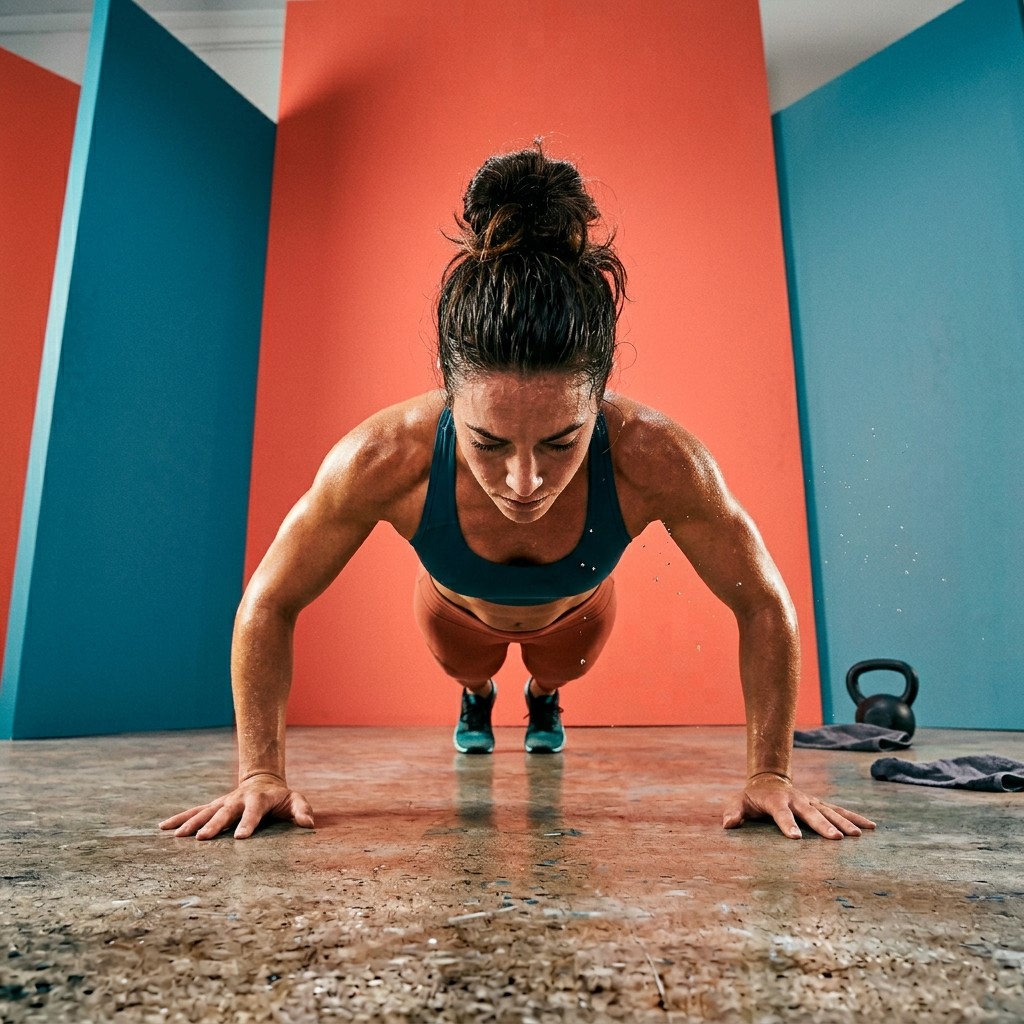
Pushing yourself does NOT mean your workouts have to look like somebody else’s.
- For one person, “working hard” might mean training for a marathon.
- For another, it might mean simply getting through a 20-minute workout consistently.
- For someone else, it might mean showing up after years of inactivity.
Real fitness is personal. The goal is not perfection. The goal is progress.
Why Challenging Yourself Matters
Our bodies adapt to what we repeatedly do.
If workouts always stay easy and comfortable, eventually your body stops changing.
That’s why gradually increasing effort matters.
1. It Builds Strength
Muscles grow stronger when they are challenged. That might mean:
- adding a little more weight
- doing one more rep
- walking a little farther
- or simply staying more consistent
2. It Builds Confidence
There’s something powerful about doing hard things.
Every time you complete a difficult workout, you remind yourself that you’re capable of more than you thought.
3. It Improves Mental Resilience
Fitness is not just physical.
Learning to push through discomfort in healthy ways builds discipline, patience, and mental toughness that often carries into everyday life.
Read: How to Start Strength Training at Home When You Feel Out of Shape
Working Hard Does NOT Mean Destroying Yourself
This is where a lot of people get confused.
You do NOT need:
- punishing workouts
- constant soreness
- daily exhaustion
- or extreme routines
to make progress.
Rest matters. Recovery matters. Listening to your body matters.
The goal is sustainable consistency — not burnout.
What “Pushing Yourself” Can Actually Look Like
A lot of women hear phrases like “push yourself” and imagine impossible workouts.
In real life, it often looks much simpler than that.
- Finishing the workout even when you wanted to quit
- Walking for 20 minutes instead of skipping movement completely
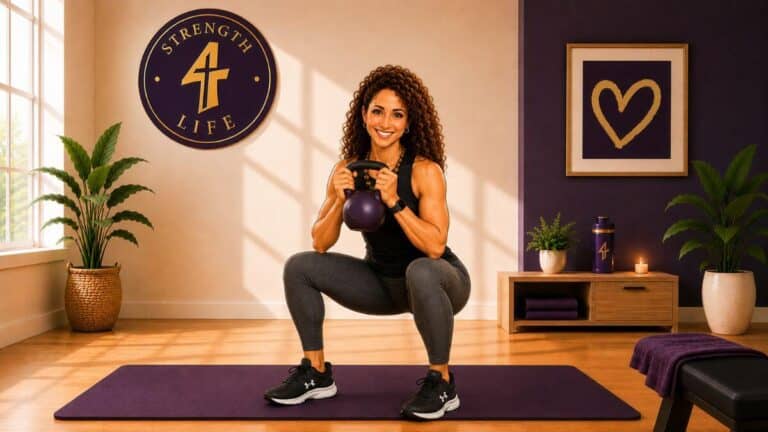
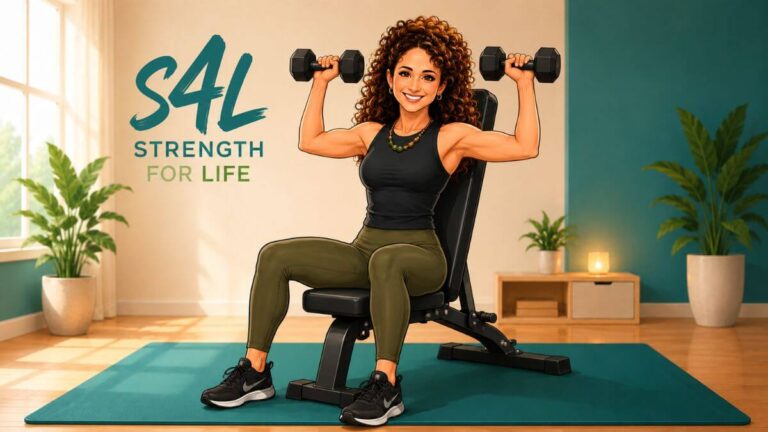
- Trying slightly heavier dumbbells
- Adding consistency to your week
- Starting again after falling off track
Read: The Simple Strength Plan for Women Over 40 That Actually Works
The Mental Benefits Are Real Too
Exercise affects more than just your body.
Many women notice improvements in:
- stress levels
- confidence
- sleep
- mood
- mental clarity
- overall energy
And honestly, sometimes the emotional benefits matter just as much as the physical ones.
That feeling after finishing a workout you almost skipped? That feeling matters.
What Healthy Progression Actually Looks Like
Pushing yourself does not mean jumping in at full intensity. It means a gradual, sustainable build over weeks and months. Here is what that progression might look like for someone starting from scratch:
| Timeline Week 1 | What It Looks Like 10-minute walks, bodyweight squats |
| Timeline Week 4 | What It Looks Like 20-minute walks, light dumbbells added |
| Timeline Week 8 | What It Looks Like Walks plus beginner strength workouts, visible confidence gains |
Notice what is not on this table: extreme intensity, daily soreness, or anything resembling punishment. Just small, repeatable increases over real time.
For a complete beginner workout structure to follow, read Best Beginner Strength Exercises for Women Over 40.
The Goal Is Not Perfection
You do not need to become obsessed with fitness.
You do not need to work out perfectly.
You just need to keep showing up.
Small efforts repeated consistently over time can completely change your life.
Ready to Build Strength the Realistic Way?
Inside Strength for Life, I help women build realistic fitness habits that fit real life.
- Simple home workouts
- Strength-focused training
- Beginner-friendly guidance
- No extreme fitness culture
Frequently Asked Questions
No. Consistency matters more than intensity for most beginners. You should challenge yourself gradually without burning out — a realistic plan followed for months beats an intense plan abandoned after two weeks.
No. Some soreness can happen, especially when starting something new, but constant soreness is not required for effective workouts and can actually be a sign you are doing too much too soon.
Everyone starts somewhere. Focus on building consistency first — even 10 minutes counts — and gradually increase effort over time as your fitness improves.
A good sign is feeling challenged by the last few reps or minutes of an activity while still maintaining good form and control. If a workout feels too easy week after week, it may be time to add slightly more weight, reps, or duration.
Pushing yourself means finishing a workout that felt hard but doable. Overdoing it means sharp pain, inability to recover, or dreading your next session out of exhaustion. Sustainable effort should leave you tired but motivated — not broken down.

Free Home Workout Starter Guide
Download your free PDF and start building strength today.
- 3 beginner-friendly routines
- No equipment needed
- Just 20 minutes a day
Enter your email to download