Beginner Glute Exercises for Women Over 40
📋 Heather is an ISSA Certified Personal Trainer, not a doctor or medical professional. This article is for educational and motivational purposes only. Always check with your healthcare provider before starting a new fitness program.
Beginner glute exercises for women over 40 can help improve lower-body strength, balance, posture, and everyday movement — and you do not need extreme workouts or gym machines to get started.
Strong glutes matter a lot more than most people realize. Your glutes support walking, standing, balance, lifting, climbing stairs, and overall lower-body stability. But many women spend years sitting more and moving less, which leads to weaker glutes and less stable movement patterns over time.
- Improves hip stability and lower-body strength.
- Supports better balance and posture.
- Helps everyday movement feel easier — stairs, standing, lifting.
- Every exercise below can be done at home with no equipment.

Why Glute Strength Matters After 40
Your glutes are some of the largest and most powerful muscles in the body. They support nearly every lower-body movement you make throughout the day — walking, standing up from a chair, climbing stairs, lifting, and maintaining balance.
After 40, glute weakness becomes more common due to years of sitting and reduced activity. That weakness can contribute to lower back pain, poor posture, and balance issues. The good news: glute strength responds quickly to targeted, consistent training.
- Strong glutes support better walking and standing posture.
- They help protect the lower back and knees during movement.
- They improve balance and reduce fall risk as you age.
- They make everyday tasks like stairs and lifting noticeably easier.
If knee discomfort is part of the picture, also read Strength Training with Knee Pain.
1. Glute Bridges
Glute bridges are one of the best beginner glute exercises for women over 40 because they directly target the glutes with zero stress on the knees — making them ideal even if you have joint sensitivity.
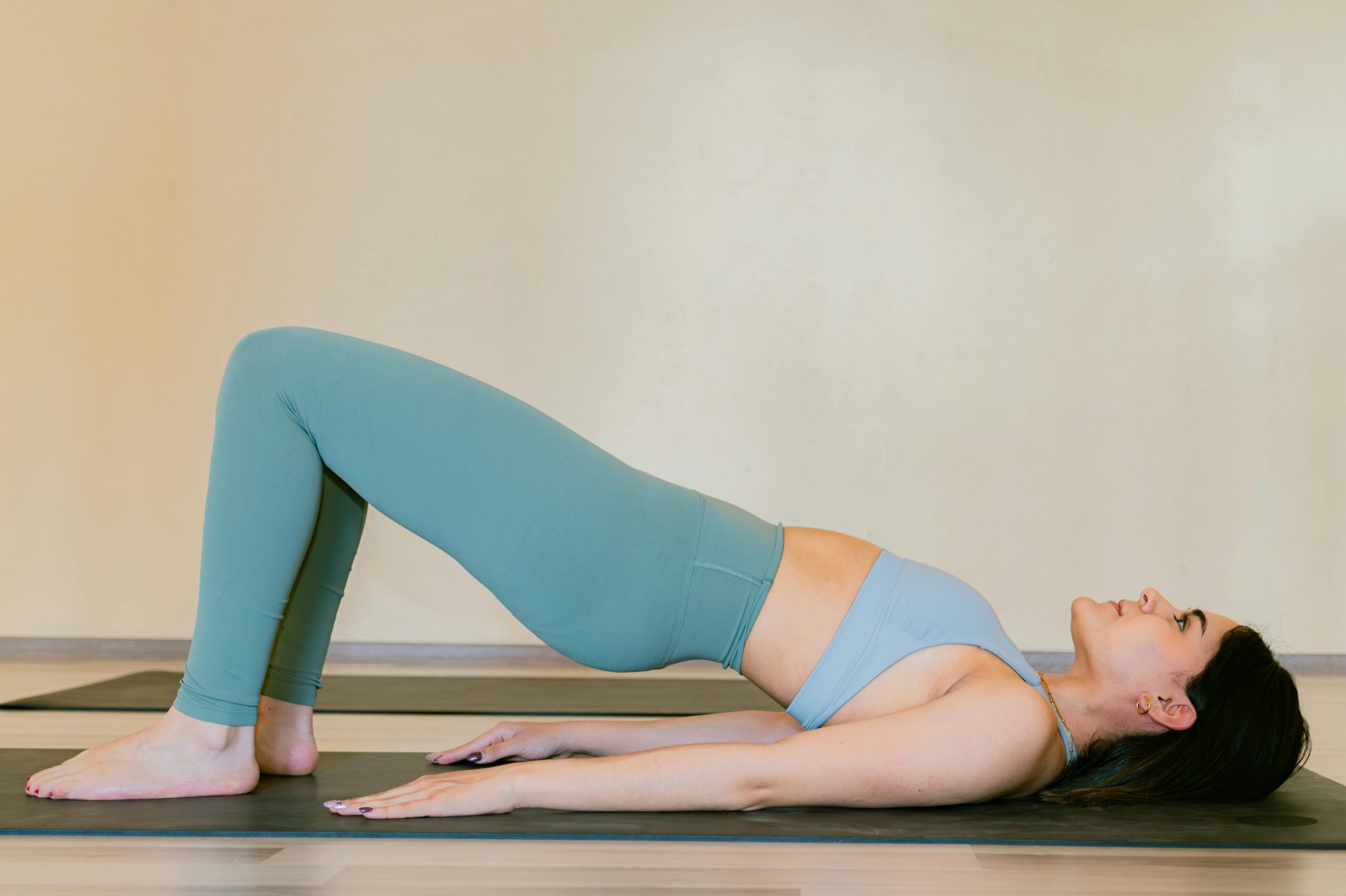
Muscles worked: Glutes, hamstrings, lower back, core
How to do it: Lie on your back with knees bent and feet flat on the floor, hip-width apart. Press through your heels and lift your hips toward the ceiling until your body forms a straight line from shoulders to knees. Squeeze your glutes at the top, hold for a breath, then lower slowly.
Sets and reps: 3 × 12–15
Progression: Once this feels easy, add a resistance band just above your knees, or try single-leg glute bridges for more challenge.
2. Chair Squats
Chair squats strengthen the glutes, legs, and core while building balance and movement confidence — making them an ideal starting point if squats feel intimidating.
Muscles worked: Glutes, quads, hamstrings, core
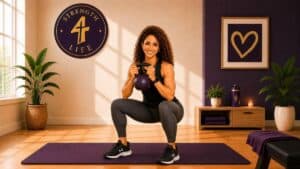
How to do it: Stand in front of a sturdy chair with feet shoulder-width apart. Push your hips back and lower yourself slowly until you lightly touch the seat. Press through your heels to stand back up, squeezing your glutes at the top.
Sets and reps: 3 × 10–12
Progression: As you get stronger, pause briefly above the seat instead of fully sitting, then eventually remove the chair and progress to a full bodyweight squat.
Many women feel more confident starting with a chair behind them for support — there is no shame in using the version that builds your confidence.
3. Step-Ups
Step-ups train the glutes through a full range of motion while also improving balance and coordination — both of which become increasingly important for fall prevention as we age.
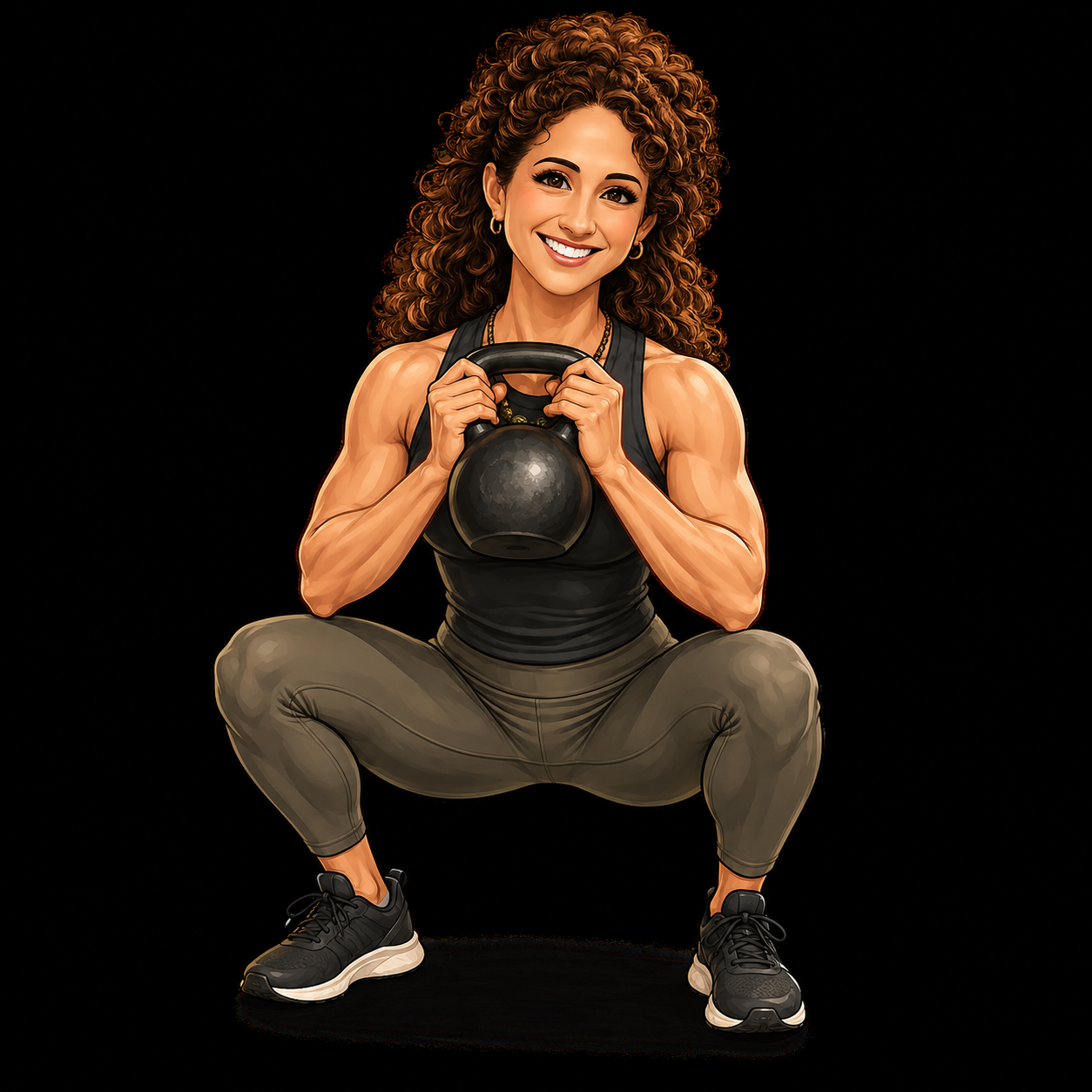
Muscles worked: Glutes, quads, hamstrings, calves
How to do it: Stand in front of a low, sturdy step or staircase. Step up with one foot, pressing through your heel to lift your body onto the step. Bring the other foot up to meet it, then step back down with control. Alternate which foot leads.
Sets and reps: 3 × 8–10 per leg
Beginner tip: Start with the lowest step height available — even a single stair step works. Hold a railing or wall for balance if needed.
4. Donkey Kicks
Donkey kicks isolate the glutes directly and are particularly effective for building the rounded, supportive strength that helps with hip stability and posture.
Muscles worked: Glutes, especially the glute max
How to do it: Start on all fours with hands under shoulders and knees under hips. Keeping your knee bent at 90 degrees, lift one leg up and back, squeezing the glute at the top. Lower with control and repeat, then switch sides.
Sets and reps: 2–3 × 10–12 per leg
Key cue: Avoid arching your lower back to lift higher — the movement should come from the hip and glute, not the spine.
Walking Still Helps Too
Walking may not seem like a dedicated glute workout, but movement still matters for overall lower-body strength and circulation. Brisk walking, especially on slight inclines, engages the glutes more than walking on flat ground.
- Low-impact and accessible for any fitness level.
- Supports circulation, mobility, and consistency.
- Pairs perfectly with the strength exercises above.
- Even 15–20 minutes daily adds up significantly over time.
Read: The Simple Strength Plan for Women Over 40 That Actually Works
You Can Add Resistance Later
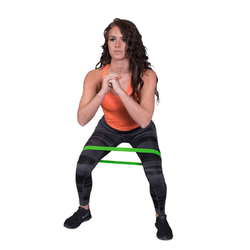
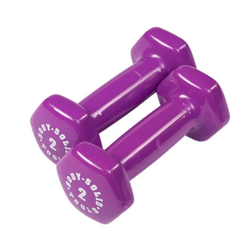
You do not need any equipment to get started — every exercise above works with just your bodyweight. But as strength improves, many women enjoy adding light resistance to continue progressing.
A Complete Beginner Glute Workout
Here is how to put all four exercises together into one workout. Do this 2–3 times per week on non-consecutive days.
| Exercise Glute Bridges | Sets × Reps 3 × 12–15 | Tip Squeeze at the top |
| Exercise Chair Squats | Sets × Reps 3 × 10–12 | Tip Use support if needed |
| Exercise Step-Ups | Sets × Reps 3 × 8–10 per leg | Tip Start with a low step |
| Exercise Donkey Kicks | Sets × Reps 2–3 × 10–12 per leg | Tip Don’t arch the lower back |
Rest 45–60 seconds between sets. Total workout time: approximately 20–25 minutes.
The Bottom Line
You do not need complicated workouts or a gym membership to start strengthening your glutes.
Four simple exercises, done consistently two to three times per week, can build real strength, improve balance, and support better posture and movement for years to come.
Beginner glute exercises for women over 40 work best when they are realistic, consistent, and easy to maintain long term.
Looking for Beginner-Friendly Home Workouts?
Inside Strength for Life, I help real women build strength at home with realistic workouts that fit real life — no gym, no extreme fitness culture.
- Done-for-you beginner workouts
- Strength-focused training
- Home-friendly routines
- Supportive guidance that fits real life
Frequently Asked Questions About Beginner Glute Exercises for Women Over 40
Glute bridges, chair squats, step-ups, and donkey kicks are excellent options for beginners. Together they cover hip extension, squatting, and single-leg stability — the full range of movement your glutes are designed to support.
Yes. Bodyweight glute exercises can absolutely build real strength, stability, and movement confidence when performed consistently with good form. Resistance can be added later, but it is not required to see results.
Two to three days per week with at least one rest day between sessions is ideal for beginners. That gives the muscles enough stimulus to grow stronger while allowing adequate recovery time.
Often, yes. Weak glutes can force the lower back to compensate during everyday movement, contributing to discomfort. Strengthening the glutes helps take pressure off the lower back and improves overall movement mechanics.
Most women notice improved strength and stability within 2–3 weeks. Visible changes in tone and shape typically become more noticeable around the 6–8 week mark with consistent training.
Glute Training for Women Resources

Build Your Home Workout Routine
 Step 1
 Step 2
 Step 3
 Step 4
 Step 5
Ready to put this into action?
💪 Start Your Free 7-Day Trial
Free Home Workout Starter Guide
Download your free PDF and start building strength today.
- 3 beginner-friendly routines
- No equipment needed
- Just 20 minutes a day
Enter your email to download