Best Beginner Dumbbell Exercises for Women
📋 Heather is an ISSA Certified Personal Trainer, not a doctor or medical professional. This article is for educational and motivational purposes only. Always check with your healthcare provider before starting a new fitness program.
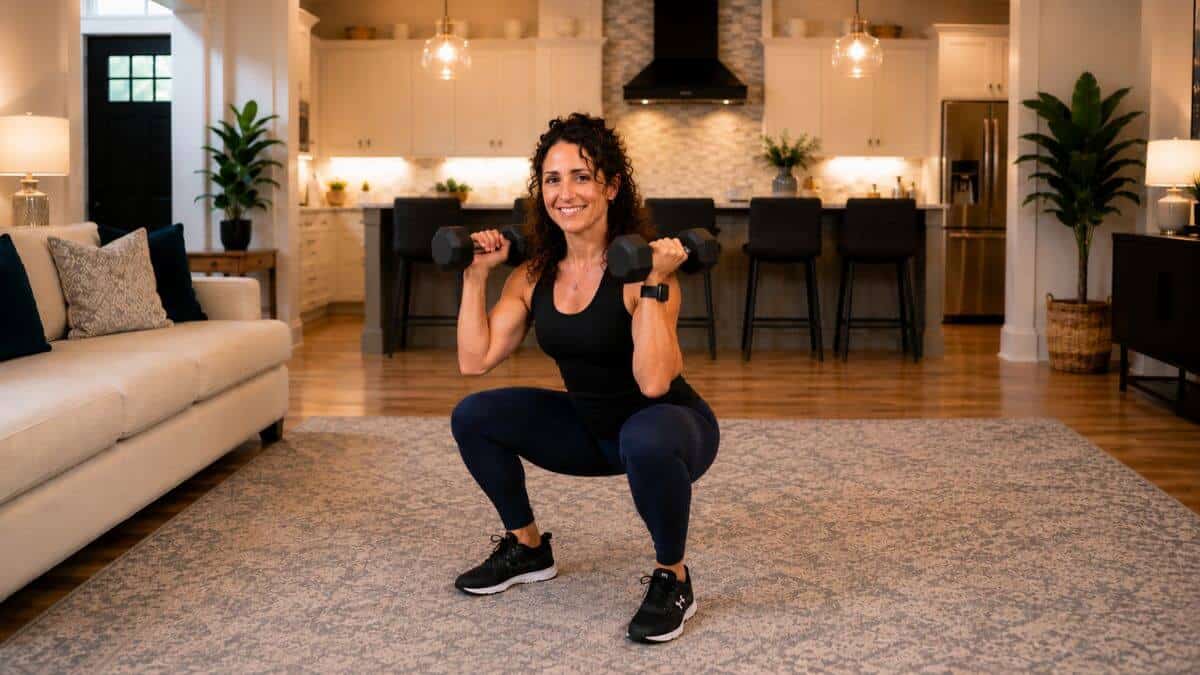
If you’ve got a pair of dumbbells at home and aren’t sure where to start, you’re in the right place. Dumbbells are one of the simplest, most versatile tools for building strength — and you don’t need a big collection or a complicated plan to get real results from them.
A handful of beginner-friendly dumbbell exercises, done consistently, can help you build strength in your arms, shoulders, back, legs, and core without ever stepping into a gym.
- Works every major muscle group with one simple tool
- No gym membership or complicated equipment needed
- Easy to scale up as you get stronger
- Great for beginners who want a little more challenge than bodyweight alone
Below you’ll find six beginner-friendly dumbbell exercises, a complete workout to try, and guidance on how much weight to start with.

Why Dumbbells Are a Great Starting Point
Dumbbells sit in a sweet spot for beginners. They’re more challenging than bodyweight-only training, but far less intimidating than a barbell or a full gym setup. You can adjust the weight to match your strength level, and a single pair can take you a long way before you ever need more equipment.
- Let you train one side of your body at a time, evening out strength imbalances.
- Provide real, scalable resistance as you get stronger.
- Work well at home with very little space required.
- Build a foundation for any future strength training, gym-based or not.
If you’re brand new to strength training in general, read Why Strength Training Gets More Important After 40 first to understand the bigger picture of why this matters.
How Much Weight Should You Start With?
Start lighter than you think you need. The goal in the beginning is learning the movement and building good form — not lifting as much as possible.
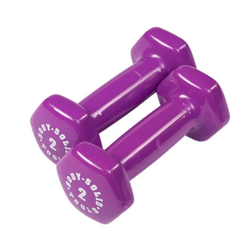
- Choose a weight where the last two or three reps feel challenging but controlled.
- If you’re swinging the weight or losing form, it’s too heavy.
- If you can easily do 20 reps without feeling it, go up a little.
- Many beginners start between 5 and 10 pounds for upper body movements.
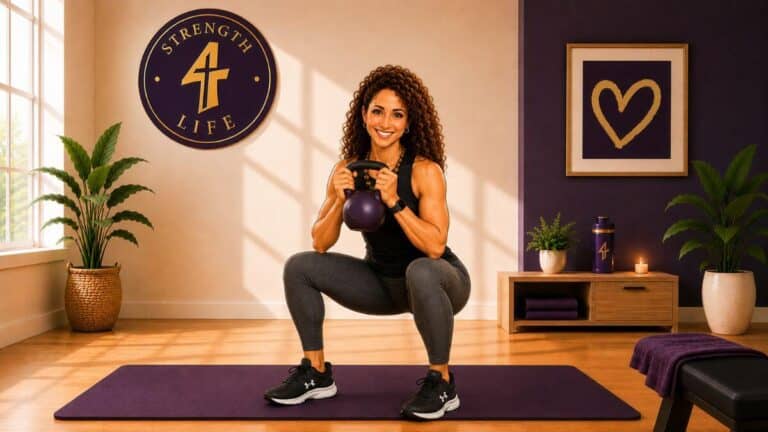
1. Goblet Squats
This is one of the best beginner dumbbell exercises because it trains your legs, glutes, and core all at once, and the way you hold the weight naturally helps keep your chest up and your form clean.
How to do it
Hold a single dumbbell vertically against your chest with both hands. Stand with feet shoulder-width apart. Push your hips back and lower into a squat, keeping your chest tall. Press through your heels to stand back up.
- Sets and reps: 3 sets of 10–12 reps
- Trains legs, glutes, and core in one movement.
- The front-loaded position keeps your posture upright.
2. Dumbbell Rows
Rows are one of the most underused exercises for beginners, and one of the most valuable. They strengthen your upper back and counteract the forward-rounded posture that comes from sitting and screen time.
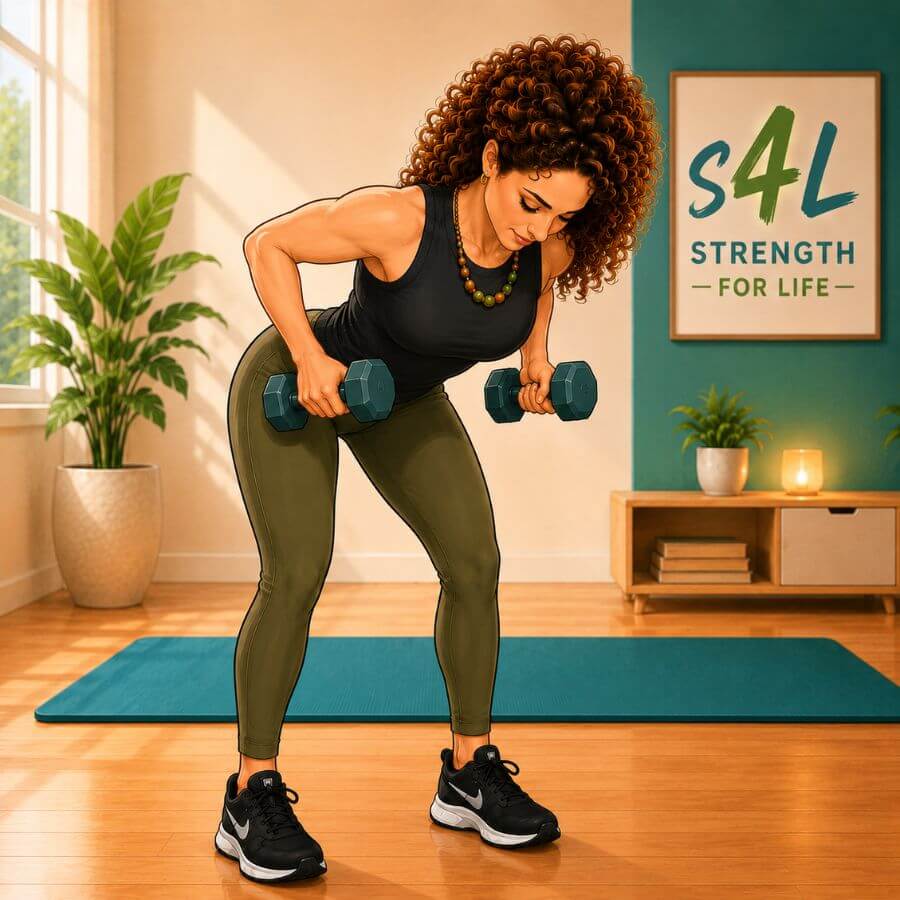
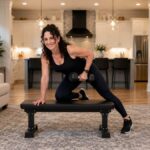
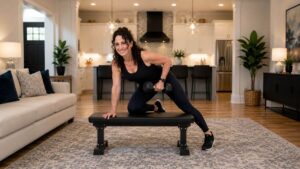
How to do it: Place one hand and the same-side knee on a sturdy chair or bench. Hold a dumbbell in your other hand, arm hanging straight down. Pull the dumbbell up toward your hip, leading with your elbow. Lower slowly and repeat.
- Sets and reps: 3 sets of 10 reps per arm
- Strengthens the upper back and improves posture.
- Balances out pushing-focused exercises like presses.
3. Dumbbell Shoulder Press
This exercise builds strength in your shoulders and arms while training a movement pattern — pressing something overhead — that you use more often in daily life than you might realize.
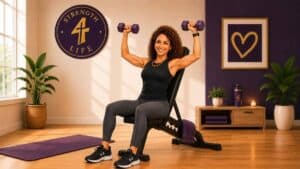
How to do it: Hold a dumbbell in each hand at shoulder height, palms facing forward. Press both weights overhead until your arms are extended, then lower back down with control.
- Sets and reps: 3 sets of 10–12 reps
- Keep your core gently braced throughout.
- Avoid arching your lower back as you press.
More Beginner Dumbbell Exercises to Add
Round out your routine with these three additional movements.
| 4. Dumbbell Glute Bridges Lie on your back, knees bent, dumbbell across your hips. Press through your heels and lift, squeezing your glutes at the top. 3 sets of 12–15 reps. |
| 5. Dumbbell Reverse Lunges Hold a dumbbell in each hand. Step one foot back and lower your back knee toward the floor, then push through your front heel to stand. Alternate legs. 2–3 sets of 8 reps per leg. |
| 6. Dumbbell Bicep Curls Hold a dumbbell in each hand, palms forward. Curl the weights toward your shoulders, then lower with control. Keep elbows close to your sides. 3 sets of 10–12 reps. |
A Simple Beginner Dumbbell Workout
Here’s how to put these six exercises together into one complete workout.
| Exercise Goblet Squats | Sets × Reps 3 × 10–12 | Tip Hold dumbbell at chest |
| Exercise Dumbbell Rows | Sets × Reps 3 × 10 per arm | Tip Lead with your elbow |
| Exercise Shoulder Press | Sets × Reps 3 × 10–12 | Tip Start lighter than you think |
| Exercise Glute Bridges | Sets × Reps 3 × 12–15 | Tip Squeeze glutes at the top |
| Exercise Reverse Lunges | Sets × Reps 2–3 × 8 per leg | Tip Hold a wall for balance if needed |
| Exercise Bicep Curls | Sets × Reps 3 × 10–12 | Tip Keep elbows pinned to your sides |
Rest about 45–60 seconds between sets. This full routine takes around 25–30 minutes, and it’s enough to train your whole body in one session.
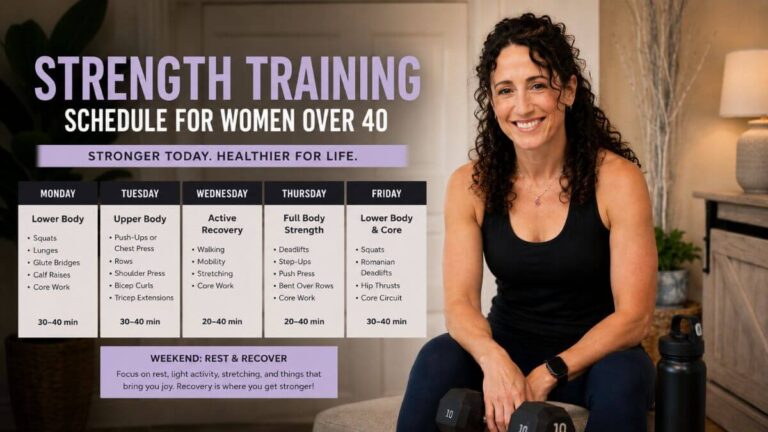
If you want a complete weekly plan that builds on this, read The Best Strength Training Plan for Women Over 40.
What Dumbbells Should You Buy as a Beginner?
You don’t need a full rack of weights to get started. A single set of adjustable dumbbells, or two or three pairs at different weights, is usually plenty for a beginner. Adjustable dumbbells are a great option if you want to save space, since they let you change the weight without buying multiple sets.
A simple workout bench or sturdy chair is also helpful for exercises like rows, though it’s not strictly required to get started.
Start with light weights, focus on good form, and let your strength build gradually.
That approach will always outlast a more intense plan you can’t keep up with.
Want a Realistic Strength Plan You Can Actually Follow?
Inside Strength for Life, I help women build strength at home with realistic workouts that fit real life — no gym, no complicated programming, no guesswork.
- Simple home workouts
- Beginner-friendly dumbbell and bodyweight options
- Progressive programming that grows with you
- Supportive coaching that fits real life
Frequently Asked Questions About Beginner Dumbbell Exercises
No. A single pair of light to moderate dumbbells, or an adjustable set, is enough to do every exercise in this routine. You can add more weights later as you progress.
Many beginner women start around 5 to 10 pounds for upper body exercises, and the same or slightly heavier for lower body movements like squats and lunges. Choose a weight that feels challenging in the last few reps but still allows good form.
Two to three times per week, with at least one rest day in between, is a great starting point. That gives your muscles time to recover and get stronger.
Yes. Dumbbells provide real resistance that challenges your muscles, and consistent training with them builds genuine strength over time — you don’t need a barbell or heavy gym equipment to see results.
Try it with a lighter dumbbell first, or do the bodyweight version of the same movement until you build enough strength and confidence to add the weight back in.
Beginner Strength Training Resources
Continue Your Strength Journey
 Step 1
 Step 2
 Step 3
 Step 4
 Step 5
Ready to put this into action?
💪 Start Your Free 7-Day Trial
Free Home Workout Starter Guide
Download your free PDF and start building strength today.
- 3 beginner-friendly routines
- No equipment needed
- Just 20 minutes a day
Enter your email to download