Strength Training vs Cardio for Women: What Actually Helps You Lose Weight?
📋 Heather is an ISSA Certified Personal Trainer, not a doctor or medical professional. This article is for educational and motivational purposes only. Always check with your healthcare provider before starting a new fitness program.
If you are trying to lose weight, get stronger, or just feel better in your body, you have probably wondered this at some point:
- Should I do more cardio?
- Should I lift weights?
- Do I need to run?
- Will strength training actually help me lose weight?
A lot of women, especially over 40, have been told for years that cardio is the primary way to lose weight. So they walk, jog, ride the bike, or get on the treadmill and think, “If I just do more of this, the weight should come off.”
Cardio is not bad. Walking is wonderful. Moving your body matters. But if cardio is all you do, you may be missing the thing that helps your body stay strong, toned, and capable long term.

Why This Gets So Confusing
The fitness world makes everything harder than it needs to be. You will find people who say cardio is the only way to burn fat, others who say cardio is useless, people who claim lifting weights makes women bulky, and influencers acting like you need a two-hour gym session to see any results.
None of that is particularly helpful for a real woman trying to figure out how to feel better in her body.
- Some people say cardio is the only way to burn fat.
- Some people say cardio is completely useless.
- Some people say lifting weights makes women bulky.
- Some people act like you need a complicated program to see any results.
For most women, the best answer is not “cardio or strength.” It is understanding how both work together — and why one is more important than most women realize.
What Cardio Does Well
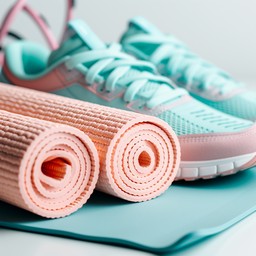
Cardio is any movement that gets your heart rate up for a sustained period of time. Walking, biking, swimming, jogging, dancing, and treadmill workouts all count — and they all have real benefits.
- Supports heart health and cardiovascular function.
- Builds endurance and daily stamina.
- Can improve mood, energy, and stress levels.
- Burns calories during the activity.
- Easy to start — especially with walking.
- Can be done anywhere with no equipment.
The CDC recommends adults get regular aerobic activity plus muscle-strengthening exercise each week — meaning cardio and strength both have a place in a healthy routine. The problem is most women only do one of the two.
For low-impact cardio ideas that work well alongside strength training, read Low-Impact Cardio Exercises for Women Over 40.
What Strength Training Does That Cardio Cannot
This is where most women have a gap in their fitness routine — and where the biggest opportunity for lasting results usually lives.
1. Strength Training Protects Muscle as You Age
As we get older, we naturally lose muscle if we do not actively work to maintain it. After 40, that process accelerates. And the effects show up everywhere — not just in how we look, but in how we function every single day.
- Carrying groceries gets harder without muscle to support it.
- Stairs feel more demanding.
- Balance and coordination can decline.
- Joints feel less supported without surrounding muscle.
- Energy and metabolism can shift.
Cardio does not prevent this muscle loss. Strength training does.
2. Strength Training Supports Long-Term Metabolism
Muscle is metabolically active tissue — it burns more calories at rest than fat does. When you build and maintain muscle through strength training, you are supporting a body that functions more efficiently over time. Cardio burns calories during the workout. Strength training helps your body burn more calories around the clock.
3. Strength Training Improves Everyday Function
The movements in strength training — squats, hinges, pushes, pulls — directly mirror what your body does in daily life. Lifting laundry, getting up from a chair, carrying children, climbing stairs. Strength training makes all of it easier and safer as you age.
According to the Mayo Clinic, strength training can improve muscle mass, bone density, balance, and overall quality of life — benefits that cardio alone cannot fully provide.
Does Strength Training Help With Weight Loss?
Yes — but maybe not in the way most women expect. Strength training is not primarily a calorie-burning workout the way a long cardio session is. Its contribution to weight loss is more indirect and more lasting.
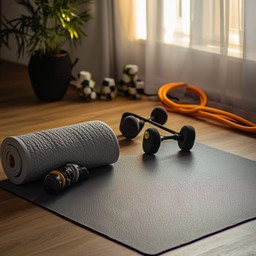
- It builds and maintains lean muscle that supports metabolism.
- It helps your body composition improve even when the scale stays the same.
- It helps you feel firmer, stronger, and more capable in your body.
- It supports long-term weight management better than cardio alone.
- It makes everyday movement easier — which means you naturally move more.
The scale does not always capture this. You might lose fat and gain muscle simultaneously and feel dramatically better — while the number barely moves. That is a win, even if it does not look like one on a scale.
Read: The Simple Strength Plan for Women Over 40 That Actually Works
Why Women Over 40 Should Not Rely on Cardio Alone
There is nothing wrong with cardio. I want to be really clear about that. But if your entire fitness plan is only walking, jogging, or the treadmill, you may not be giving your body everything it needs after 40.
- You may lose weight but also lose muscle in the process.
- You may burn calories but still not feel stronger or more capable.
- You may improve endurance but not improve joint support or posture.
- You may stay active but still struggle with everyday tasks that require strength.
Strength training fills in that gap. It gives your body what cardio cannot — preserved muscle, better posture, stronger joints, and lasting functional strength.
Read: How to Start Strength Training at Home When You Feel Out of Shape
What a Good Week Looks Like — Combining Both
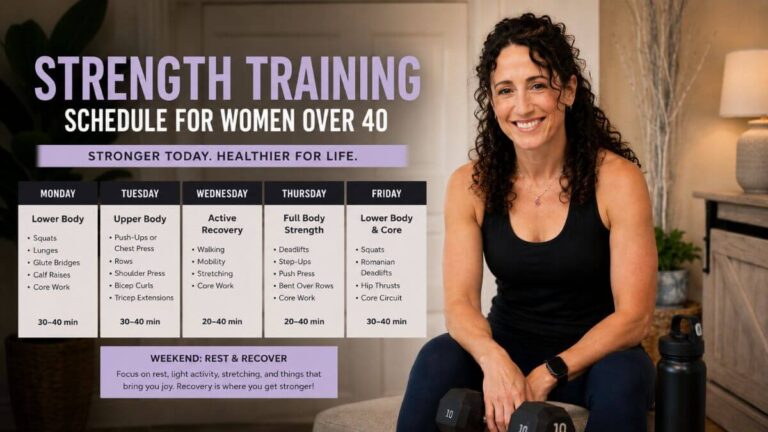
You do not need to work out every day or choose between cardio and strength. A simple weekly plan that includes both might look like this:
| Monday Strength training — 25–35 min | Tuesday Walk or low-impact cardio | Wednesday Strength training — 25–35 min |
| Thursday Rest or mobility work | Friday Full body strength — 25–35 min | Saturday Walk, bike, or family activity |
| Sunday Rest | 3 strength sessions | Cardio and recovery built in |
Read: Balanced Weekly Workout Plan for Women Over 40
Common Mistakes Women Make With Cardio and Strength
1. Doing Only Cardio
Cardio alone will not preserve the muscle your body needs as you age. Without strength training, you may lose weight and feel weaker at the same time — which is the opposite of the goal.
2. Trying to Do Too Much Too Soon
Going from doing nothing to working out six days a week is a fast path to burnout. Start with something realistic that you can sustain for months — then add more when your body and schedule allow it.
3. Expecting the Scale to Tell the Whole Story
The scale is one data point. Strength, energy, better sleep, clothes fitting differently, and feeling more confident in your body are all real results — even when the number does not move as fast as you want.
4. Thinking Strength Training Means Heavy Gym Lifting
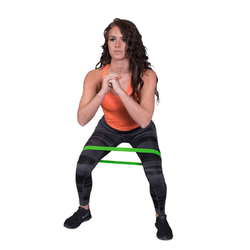
It does not. You can build real, meaningful strength at home with bodyweight exercises, resistance bands, or light dumbbells. The gym is optional.
What About Belly Fat Specifically?
This is one of the most common questions women ask — and the honest answer is that no workout can spot-reduce fat from one specific area. That is not how the body works.
What a good plan can do is improve your overall body composition over time — reducing total body fat while building and preserving lean muscle. That combination is what creates the changes most women are actually looking for.
- Strength training builds lean muscle that supports metabolism.
- Cardio supports calorie burn and cardiovascular health.
- Nutrition plays a significant role in overall fat loss.
- Sleep quality and stress levels both affect body composition too.
The goal is not to chase quick fixes. The goal is to build sustainable habits your body can respond to over months and years — not days.
Read: Good Nutrition: Why It Matters for Energy, Strength, and Results
The Bottom Line
Cardio is good. Strength training is important. For most women, the real answer is not choosing one over the other.
The best plan for most women is strength training as the foundation, walking and cardio as the support, and consistency as the strategy.
Start simple. Add both. Keep going.
Ready for a Simple Plan You Can Actually Follow?
Inside Strength for Life, I help women build strength at home with realistic workouts that fit real life — no gym, no extreme fitness culture, no confusion about what to do.
- Strength training designed for women over 40
- Low-impact cardio options included
- Simple weekly structure that makes sense
- Guidance from a certified trainer who keeps it real
Frequently Asked Questions
Both contribute to weight loss but in different ways. Cardio burns calories during the workout and supports heart health. Strength training builds and preserves muscle that supports metabolism long term. For most women, combining both produces better results than relying on either one alone.
Yes — strength training is one of the most important things women over 40 can do for their health. It supports muscle mass, bone density, balance, posture, metabolism, and everyday functional strength. You do not need heavy weights or a gym to start seeing benefits.
Not at all. Cardio is still valuable and should stay in your routine. The goal is to add strength training — not replace cardio with it. Walking and low-impact cardio work beautifully alongside strength sessions on the days in between.
For most women, no. Women do not produce enough testosterone to build large muscles easily. Strength training typically helps women look and feel stronger, firmer, and more capable — not bulky. The kind of training required to build significant bulk looks nothing like a standard home strength workout.
A simple starting point: two to three strength workouts per week, walking or light cardio on the days in between, and at least one full rest day. Keep sessions to 20–35 minutes to start. Build from there as your fitness and confidence improve.
For a complete structured plan, read: How to Start Working Out Again After a Long Break
Strength Training for Women Over 40 Resources



Explore More Fitness Over 40 Resources
 Step 1
 Step 2
 Step 3
 Step 4
 Step 5
Ready to put this into action?
💪 Start Your Free 7-Day Trial
Free Home Workout Starter Guide
Download your free PDF and start building strength today.
- 3 beginner-friendly routines
- No equipment needed
- Just 20 minutes a day
Enter your email to download